FAQ
Lorem ipsum dior sit amet
Topics
Populars
How can I reach the Portal?
In planning terms, an HMO is a dwelling (house or flat) that is occupied by a certain number of unrelated individuals who share one or more basic amenities such as a kitchen or bathroom. They are commonly known as shared houses; is to rent by students, single person or families. Please note that certain properties are not classified as HMOs under national legislation, such as those managed by Registered Social Landlords. The Town and Country Planning (Use Classes) Order 1987 (as amended) classifies HMOs as:
- Small HMO – Use Class C4 – accommodating between 3 and 6 unrelated individuals, forming more than 1 household or;
- Large HMOs – Class Sui Generis – accommodating 7 or more unrelated individuals.
A change of use to an HMO (large or small house in multiple occupation) from other uses such as a shop or office, or vice versa, will require planning permission. Some houses in multiple occupations will require planning permission and/or an HMO property licence. This will depend on their size and the number of people that live there. HMOs are defined differently between housing and planning regulations, so you need to make sure you understand these differences.
How do I book the consultation?
Choose a time on the Speak to an Expert page, or call us on 0 330 818 3001. You will receive a confirmation email with a link to upload photos and any drawings before the call.
What happens if I miss the appointment?
Nothing is lost. Reply to your confirmation email or call us and we will rebook you at the next available time at no extra cost. If we cannot reach you within 15 minutes of the start time, the slot is released.
How do I know if I need planning permission?
It depends on the type of work, the size of your property and whether it is listed or in a conservation area. Many extensions and loft conversions are permitted development. Our pre-planning advice confirms the position in writing before you spend money on drawings.
How do I pay for your services?
You can pay by card or bank transfer from the Portal. Larger projects are split into stages, so you only pay for each stage when it starts.
0 Results found
How can I reach the Portal?
In planning terms, an HMO is a dwelling (house or flat) that is occupied by a certain number of unrelated individuals who share one or more basic amenities such as a kitchen or bathroom. They are commonly known as shared houses; is to rent by students, single person or families. Please note that certain properties are not classified as HMOs under national legislation, such as those managed by Registered Social Landlords. The Town and Country Planning (Use Classes) Order 1987 (as amended) classifies HMOs as:
- Small HMO – Use Class C4 – accommodating between 3 and 6 unrelated individuals, forming more than 1 household or;
- Large HMOs – Class Sui Generis – accommodating 7 or more unrelated individuals.
A change of use to an HMO (large or small house in multiple occupation) from other uses such as a shop or office, or vice versa, will require planning permission. Some houses in multiple occupations will require planning permission and/or an HMO property licence. This will depend on their size and the number of people that live there. HMOs are defined differently between housing and planning regulations, so you need to make sure you understand these differences.
How do I log in to the Portal?
Use the email address you booked with. We send a secure link the first time, then you can set a password and follow your application from the Portal.
Can I upload my documents in the Portal?
Yes. Drawings, photos and title documents can all be uploaded from the Portal, and our team is notified as soon as they arrive.
How do I see the status of my application?
Every stage of your application is shown in the Portal, from the first drawings to the council decision.
Who do I contact if the Portal is not working?
Call or email our team and we will get you back in. You can also reply to any email we have sent you.
How do I book the consultation?
Choose a time on the Speak to an Expert page, or call us on 0 330 818 3001. You will receive a confirmation email with a link to upload photos and any drawings before the call.
What happens if I miss the appointment?
Nothing is lost. Reply to your confirmation email or call us and we will rebook you at the next available time at no extra cost. If we cannot reach you within 15 minutes of the start time, the slot is released.
How do I know if I need planning permission?
It depends on the type of work, the size of your property and whether it is listed or in a conservation area. Many extensions and loft conversions are permitted development. Our pre-planning advice confirms the position in writing before you spend money on drawings.
How long does a planning application take?
Councils aim to decide householder applications within 8 weeks and major applications within 13 weeks of validation. Preparing drawings and reports usually takes two to four weeks before that.
What happens if my application is refused?
You can amend the scheme and resubmit for free within 12 months, or appeal to the Planning Inspectorate within 12 weeks for householder decisions. We review the refusal notice with you and recommend the stronger route.
What is a Lawful Development Certificate?
It is a formal confirmation from the council that your project is lawful without planning permission. It is not required, but it is useful when you sell the property or if a neighbour questions the work.
Do I need an HMO licence as well as planning permission?
Often, yes. Planning permission controls the use of the building, while an HMO licence controls how it is managed and its safety standards. Large HMOs always need a licence; many councils also license small HMOs.
How long does a pavement licence last?
Councils can grant pavement licences for up to two years. The application involves a 14-day public consultation, and the council then has a further 14 days to decide.
Can you apply for a premises licence for me?
Yes. We prepare the operating schedule and plans, serve copies on the responsible authorities and arrange the public notices for you.
What types of projects do you work on?
Extensions, loft and garage conversions, new builds, flats, changes of use, HMOs and commercial schemes. You can browse approved examples on our Project Map.
Do you work on listed buildings?
Yes. Our heritage consultants prepare the heritage statements and listed building consent applications that these projects need.
Which areas do you cover?
We work with every local planning authority in England. Site visits are available across London and the Home Counties.
How do I pay for your services?
You can pay by card or bank transfer from the Portal. Larger projects are split into stages, so you only pay for each stage when it starts.
Is the council fee included in your price?
No. The council application fee is paid directly to the council through the Planning Portal. We tell you the exact fee before we submit.
Can I get a refund if I cancel?
You can cancel within 14 days of booking for a full refund, as long as work has not started. After that we refund any stage that has not begun.
How can I become a trade partner?
Fill in the form on the Trade Partners page. We work with builders, architects and estate agents who share our standards, and we reply within five working days.
Do you pay for referrals?
Yes. Approved partners receive a referral fee for every client who books a paid service, paid monthly.
Can partners follow their clients’ applications?
With the client’s consent, partners get read-only access to the application in the Portal, so everyone sees the same status.
No results found by
Useful Articles
Discover real projects that were approved!
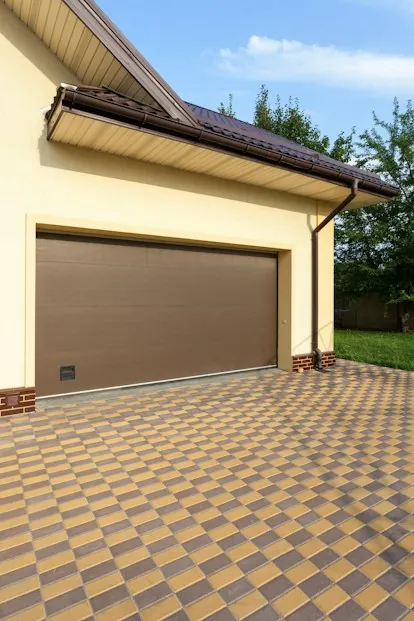
Do You Need Planning Permission for a Garage Conversion?
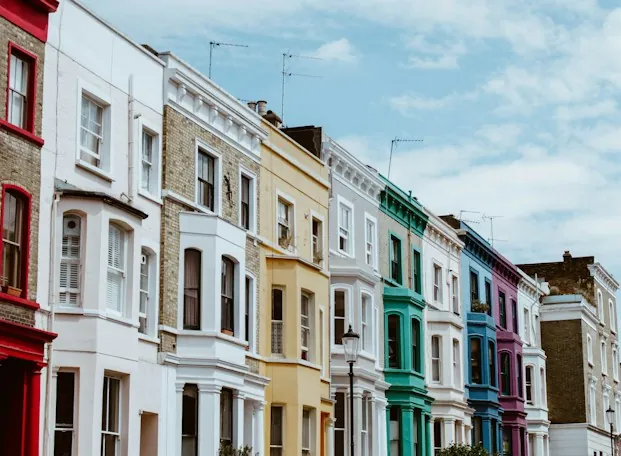
Class E Explained: Changing a Shop into a Café or Office
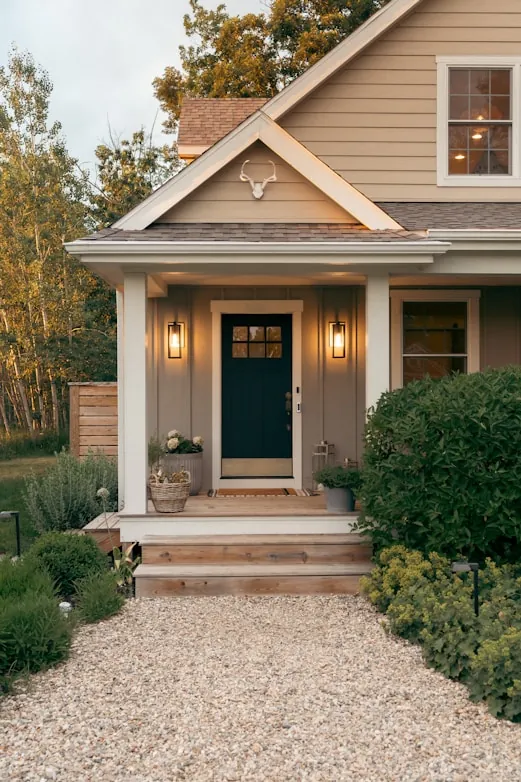
How Article 4 Directions Affect Small HMO Conversions

Planning Application Fees Rise from April: What Homeowners Need to Know

Converting an Office Block to Flats: What Councils Look For
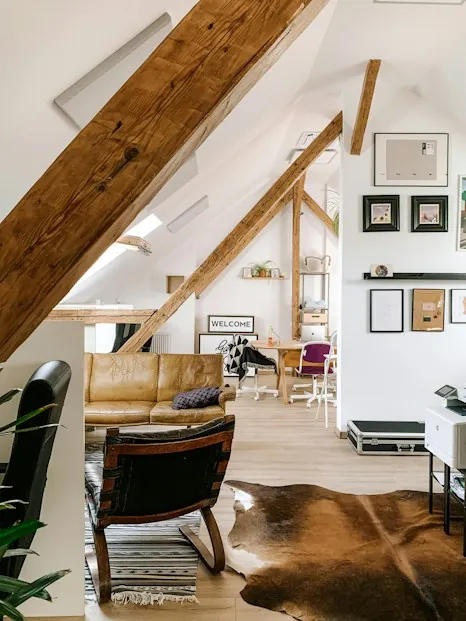
How We Won Approval for a Rear Dormer in a Conservation Area