Approved
Lorem ipsum dior sit amet
9 Results found

Householder application fees are going up again in April 2026. Here is the new fee table and how to time your submission.
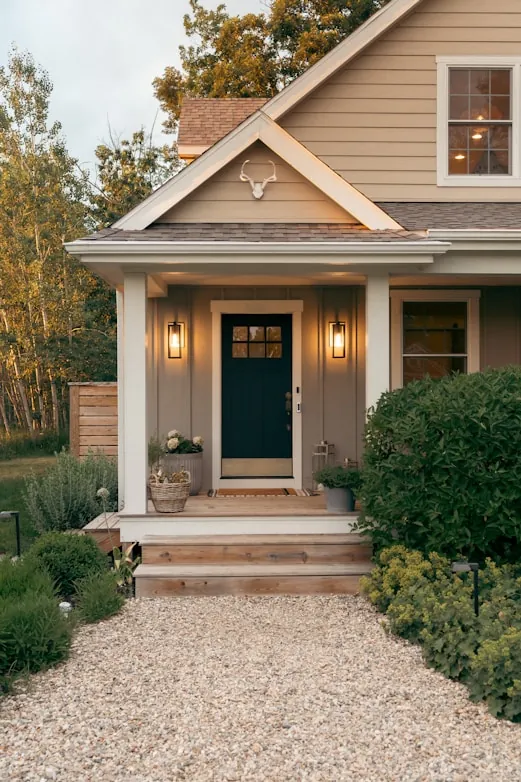
Most HMO refusals come down to the same handful of issues: over-concentration, poor room sizes, missing amenity space and parking. Here is what councils look for and how to get ahead of each one before you submit.

Office-to-residential conversions can go through prior approval, but natural light, noise and space standards still decide the outcome.
New minimum room sizes for shared houses come into force this spring. Landlords with applications in the pipeline should check their layouts now.
An Article 4 Direction removes the right to turn a house into a small HMO without planning permission. Find out whether one applies to your street and what a full application involves.
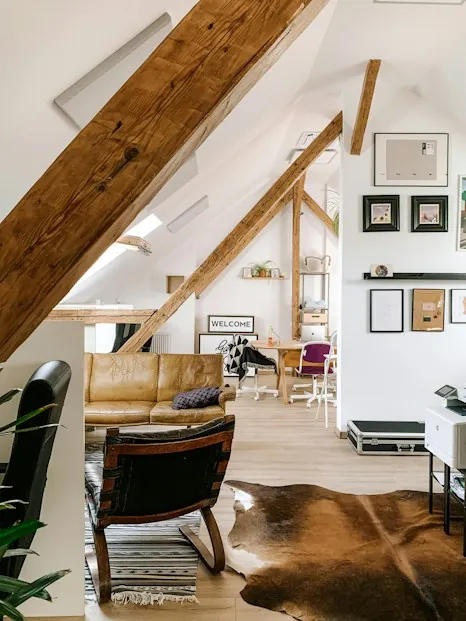
A rear dormer on a Victorian terrace in a conservation area was refused twice before the owners came to us. This is how we changed the outcome.
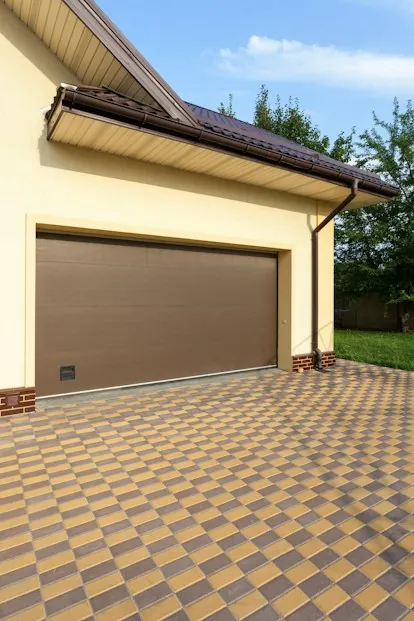
Most internal garage conversions are permitted development, but conditions on older estates and listed buildings can change that.

Use Class E groups shops, cafés, offices and gyms together, so many changes between them no longer need planning permission.

A three-storey terrace in Bristol became two flats with their own entrances. We cover the planning issues, the drawings and the timeline.

No results found by
Discover real projects that were approved!
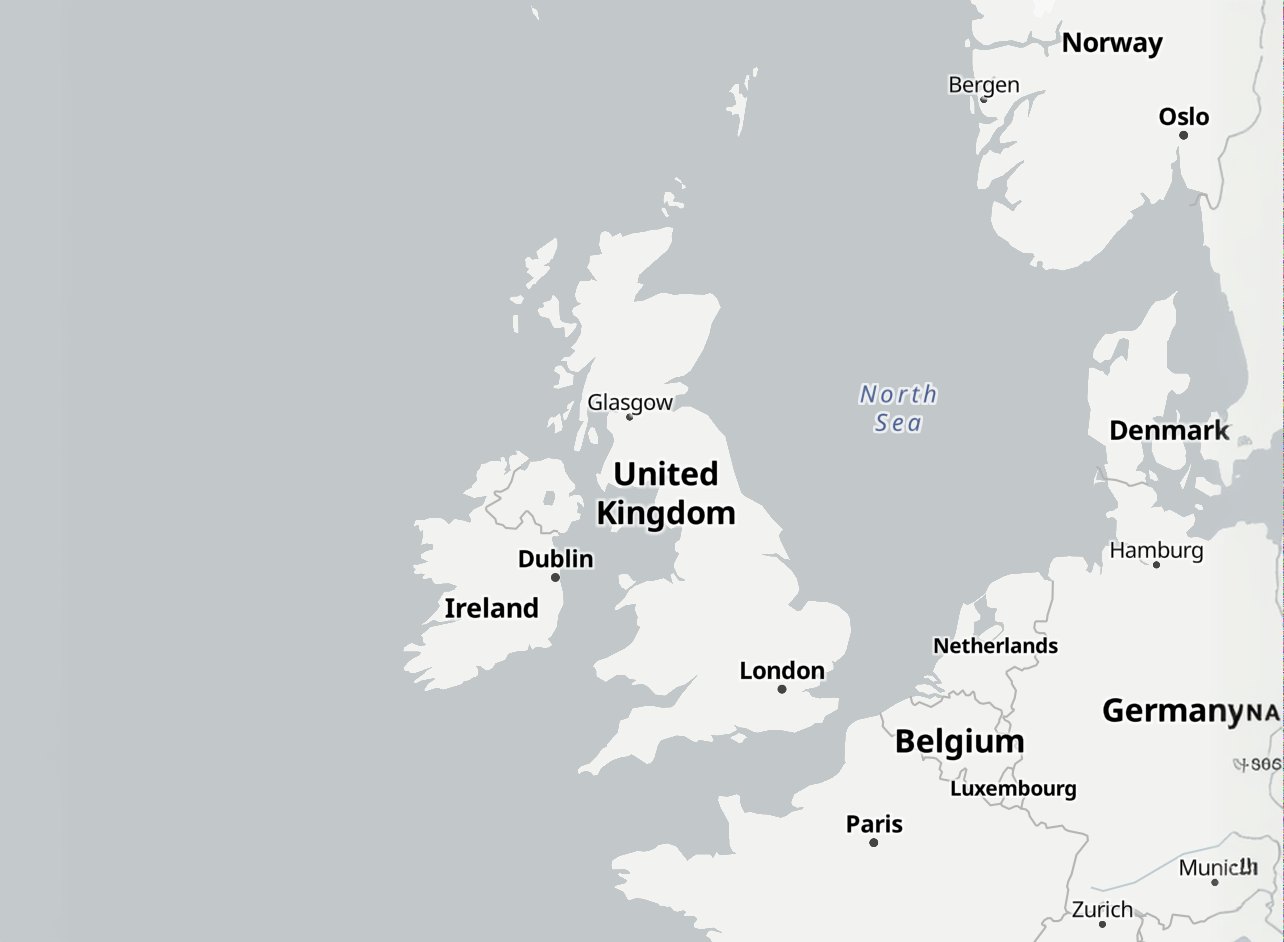 Open Live Map


1 / 8
It depends on the type of work, the size of your property and whether it is listed or in a conservation area. Many extensions and loft conversions are permitted development. Our pre-planning advice confirms the position in writing before you spend money on drawings.
Councils aim to decide householder applications within 8 weeks and major applications within 13 weeks of validation. Preparing drawings and reports usually takes two to four weeks before that.
You can amend the scheme and resubmit for free within 12 months, or appeal to the Planning Inspectorate within 12 weeks for householder decisions. We review the refusal notice with you and recommend the stronger route.
It is a formal confirmation from the council that your project is lawful without planning permission. It is not required, but it is useful when you sell the property or if a neighbour questions the work.
No. The council application fee is paid directly to the council through the Planning Portal. We tell you the exact fee before we submit.